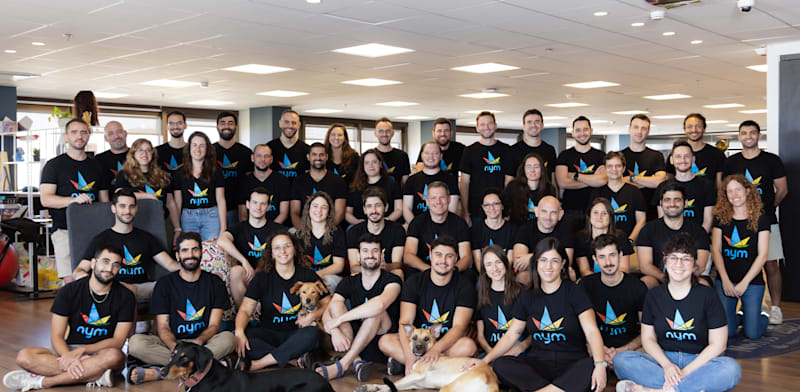
For most startups, talent is the most valuable asset they have.
Early employees help shape the product, build customer relationships, solve critical challenges, and often determine whether the company succeeds or fails. Yet startups frequently compete against larger companies that can offer higher salaries, larger benefits packages, and greater job security.
This is where Employee Stock Option Plans (ESOPs) become one of the most powerful tools available to founders.
A well-designed ESOP allows employees to participate in the future value they help create. Instead of being compensated solely through salary, employees gain the opportunity to share in the company’s long-term success.
But while many startups offer stock options, not all ESOP programs are created equally.
Poorly designed plans can create confusion, unrealistic expectations, excessive dilution, and future fundraising challenges. Well-structured plans, on the other hand, help attract top talent, improve retention, align incentives, and support sustainable growth.
The difference often comes down to strategy rather than simply granting options.
Why ESOPs Matter in Startup Growth
Startups rarely have unlimited resources.
Cash is often directed toward product development, customer acquisition, and growth initiatives. As a result, offering highly competitive compensation packages can be difficult, especially during early stages.
Stock options help bridge that gap.
They give employees a sense of ownership and allow them to participate in the upside if the company succeeds.
But the value of an ESOP extends beyond compensation.
Strong option plans can help create a culture where employees think more like owners. Decisions become more aligned with long-term outcomes, and teams often develop a deeper connection to the company’s mission and success.
For growing startups, this alignment can become a significant competitive advantage.
Understanding How Stock Options Work
At a basic level, stock options give employees the right to purchase company shares at a predetermined price, often called the exercise price or strike price.
If the company’s value increases over time, employees may benefit from the difference between the exercise price and the future value of those shares.
However, options do not automatically become shares.
Most plans include a vesting schedule that determines when employees earn the right to exercise their options.
The most common startup structure includes four-year vesting with a one-year cliff.
Under this arrangement, employees typically earn their first portion of options after completing one year of service, with the remainder vesting gradually over the following years.
This structure encourages long-term commitment while protecting the company from granting large amounts of equity to employees who leave quickly.
Building an Option Pool the Right Way
One of the earliest ESOP decisions involves creating an option pool.
This pool represents the portion of company ownership reserved for current and future employees.
Many venture-backed startups establish pools ranging from 10% to 15% of total equity, although the appropriate size depends on the company’s hiring plans, stage of growth, and future fundraising expectations.
A pool that is too small may limit the company’s ability to recruit key talent.
A pool that is too large may create unnecessary dilution for founders and existing shareholders.
The challenge is balancing today’s hiring needs with tomorrow’s growth plans.
Founders who think several years ahead typically make stronger equity decisions than those who focus only on immediate hiring requirements.
One of the Biggest Mistakes: Employees Don’t Understand Their Equity
Many employees hear the word “options” and immediately assume significant financial value.
In reality, understanding startup equity requires context.
Questions often arise such as:
How many shares does the option grant represent?
What percentage of the company does it equal?
How will future fundraising affect ownership?
What happens during an acquisition?
When can options be exercised?
Without clear communication, employees may develop unrealistic expectations about future outcomes.
This is why transparency matters.
Founders do not need to guarantee financial success. But they should help employees understand how the program works and what factors may influence the ultimate value of their equity.
Clear communication builds trust.
Confusion often creates disappointment later.
Dilution Is Part of the Process
Many employees are surprised to learn that their ownership percentage may change over time.
As startups raise capital, create larger option pools, or issue additional shares, dilution occurs.
This is normal.
In fact, most successful startups experience multiple rounds of dilution throughout their growth journey.
The important point is not avoiding dilution entirely.
It is ensuring that dilution contributes to increased company value.
A smaller percentage of a much larger company can still represent a far better outcome than a larger percentage of a company that struggles to grow.
Founders who explain dilution openly often create more realistic expectations across the organization.
Executive Hiring Requires a Different Approach
As startups scale, they eventually begin hiring senior leaders.
VPs, C-suite executives, and key strategic hires typically expect larger equity packages than early individual contributors.
This creates additional planning challenges.
Companies need enough equity available to attract leadership talent while preserving ownership for future hires and investors.
Startups that fail to plan for executive hiring often find themselves expanding option pools later, creating additional dilution that could have been anticipated earlier.
Long-term equity planning helps avoid these surprises.
Investors Pay Close Attention to ESOP Strategy
Investors rarely view ESOPs as a simple HR tool.
They see them as a critical part of the company’s growth strategy.
During fundraising, investors often evaluate:
- Option pool size
- Future hiring requirements
- Vesting structures
- Dilution impact
- Equity allocation practices
- Long-term ownership planning
A well-managed ESOP signals operational maturity.
A poorly managed one can raise concerns about governance and future capital efficiency.
Because talent acquisition is essential to startup growth, investors want confidence that the company can continue attracting strong people without creating unnecessary ownership complications.
The Best ESOPs Align Incentives for Years, Not Months
The strongest option plans are designed with long-term alignment in mind.
They encourage employees to think beyond quarterly goals and focus on building lasting value.
When employees understand how their contributions connect to the company’s future success, equity becomes more than a compensation tool.
It becomes a shared commitment.
This is why the most effective ESOP strategies balance attraction, retention, transparency, and sustainability.
They reward contribution while preserving flexibility for future growth.
Great ESOP Planning Is Really About Building Ownership Culture
At its core, an Employee Stock Option Plan is not simply a legal or financial structure.
It is a reflection of how a startup thinks about partnership.
The best startups use equity to create alignment between founders, employees, and investors. Everyone works toward the same long-term objective: increasing the value of the company they are helping build.
When designed thoughtfully, an ESOP becomes much more than a recruiting tool.
It becomes part of the company’s culture.
And in the startup world, a strong ownership culture is often one of the most powerful advantages a company can have.